News

U.S. Air Force Logo United States Air Force

Candidates Participate in Combat Rescue Officer Screener Program

  • Published Oct. 26, 2023
  • By Airman 1st Class Robert Allen Cooke III
  • 355th Wing Public Affairs
DAVIS-MONTHAN AIR FORCE BASE, Ariz. --  

The 68th Rescue Squadron hosted a CRO (Combat Rescue Officer) screening course at Davis-Monthan Air Force Base on Oct. 15-20, 2023.
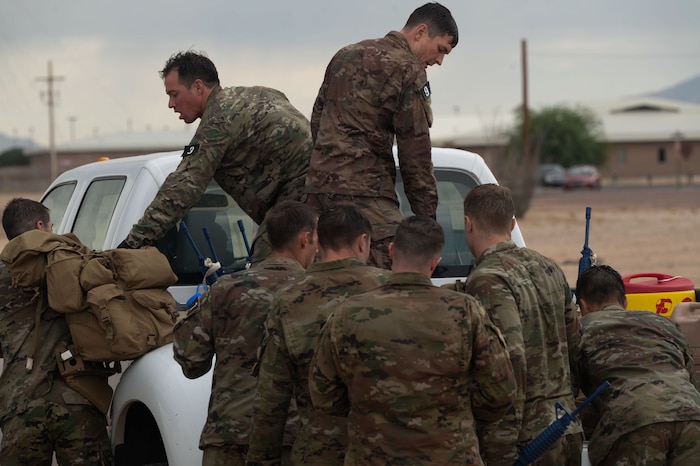
Combat Rescue Officer candidates participate in a Phase II training exercise and load supplies onto a vehicle at Davis-Monthan Air Force Base, Ariz., Oct. 17, 2023. Candidates’ teamwork was assessed to determine leadership qualities during the training exercise. (U.S. Air Force photo by Airman 1st Class Robert Allen Cooke III)

231017-F-VP642-1061

Combat Rescue Officer candidates participate in a Phase II training exercise and load supplies onto a vehicle at Davis-Monthan Air Force Base, Ariz., Oct. 17, 2023. Candidates’ teamwork was assessed to determine leadership qualities during the training exercise. (U.S. Air Force photo by Airman 1st Class Robert Allen Cooke III)

Photo Details / Download Hi-Res

The CRO screener program, known as ‘CRO Phase II,’ is a part of a multi-phased training process that screens cadets who want to become CRO for the U.S. Air Force.

“We’re selecting for attributes that are going to make successful leaders in rescue missions for the Air Force,” said U.S. Air Force Maj. Timothy Smith, the cadre lead for CRO Phase II. “We have a pre-selection to try to pick out the people that have the attributes and can meet the rigorous standards.”

The cadets began CRO training upon acceptance of their applications. The application process was open to Airmen and civilians who met specific criteria, which included the completion of a bachelor's degree.

“To be Combat Rescue Officers, it is open to anyone with a college degree,” said Smith. “We do not care about [job history] background. We do not care about your Air Force Specialty Code. We don't care if you are in the military already or a civilian.”

Phase II of CRO was a six day evaluation that tested desired attributes of its candidates including: physical fitness, mental strength, and leadership.
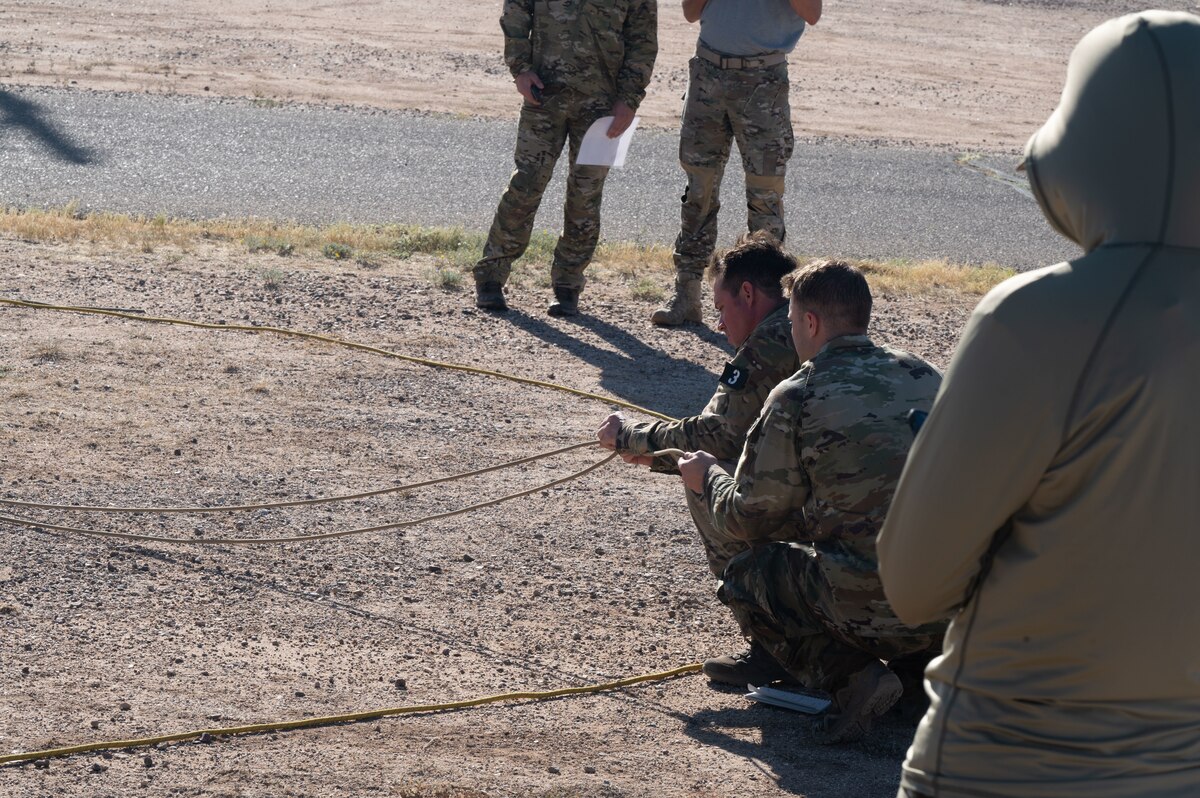
Combat Rescue Officer candidates participate in a Phase II training exercise and pull on ropes outside of Bama Park at Davis-Monthan Air Force Base, Ariz., Oct. 16, 2023. Candidates’ dexterity was assessed during the training exercise. (U.S. Air Force photo by Airman 1st Class Robert Allen Cooke III)

231016-F-VP642-1013

Combat Rescue Officer candidates participate in a Phase II training exercise and pull on ropes outside of Bama Park at Davis-Monthan Air Force Base, Ariz., Oct. 16, 2023. Candidates’ dexterity was assessed during the training exercise. (U.S. Air Force photo by Airman 1st Class Robert Allen Cooke III)

Photo Details / Download Hi-Res
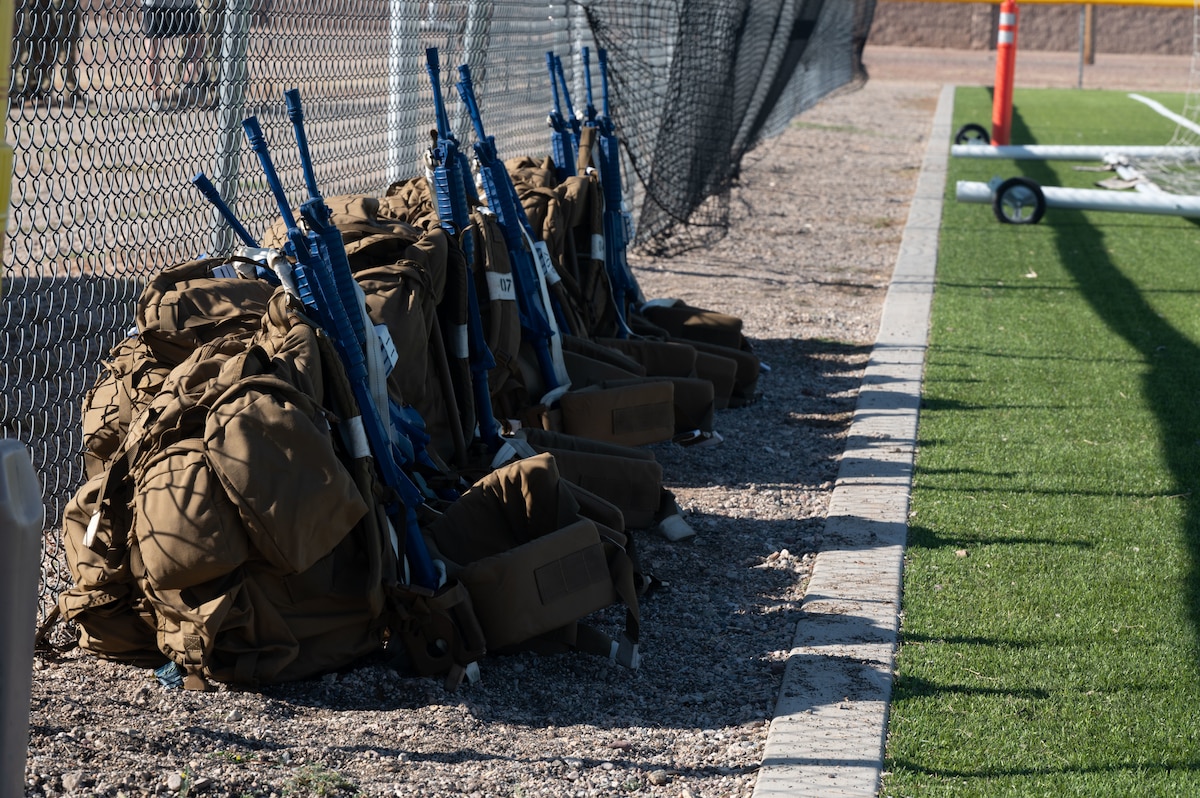
Supply backpacks and training weapons for a Combat Rescue Officer Phase II training exercise are situated in Bama Park at Davis- Monthan Air Force Base, Ariz., Oct. 16, 2023. Proper usage of supplies was a factor that assessed Candidates’’ abilities during the exercise. (U.S. Air Force photo by Airman 1st Class Robert Allen Cooke III)

231016-F-VP642-1035

Supply backpacks and training weapons for a Combat Rescue Officer Phase II training exercise are situated in Bama Park at Davis- Monthan Air Force Base, Ariz., Oct. 16, 2023. Proper usage of supplies was a factor that assessed Candidates’’ abilities during the exercise. (U.S. Air Force photo by Airman 1st Class Robert Allen Cooke III)

Photo Details / Download Hi-Res
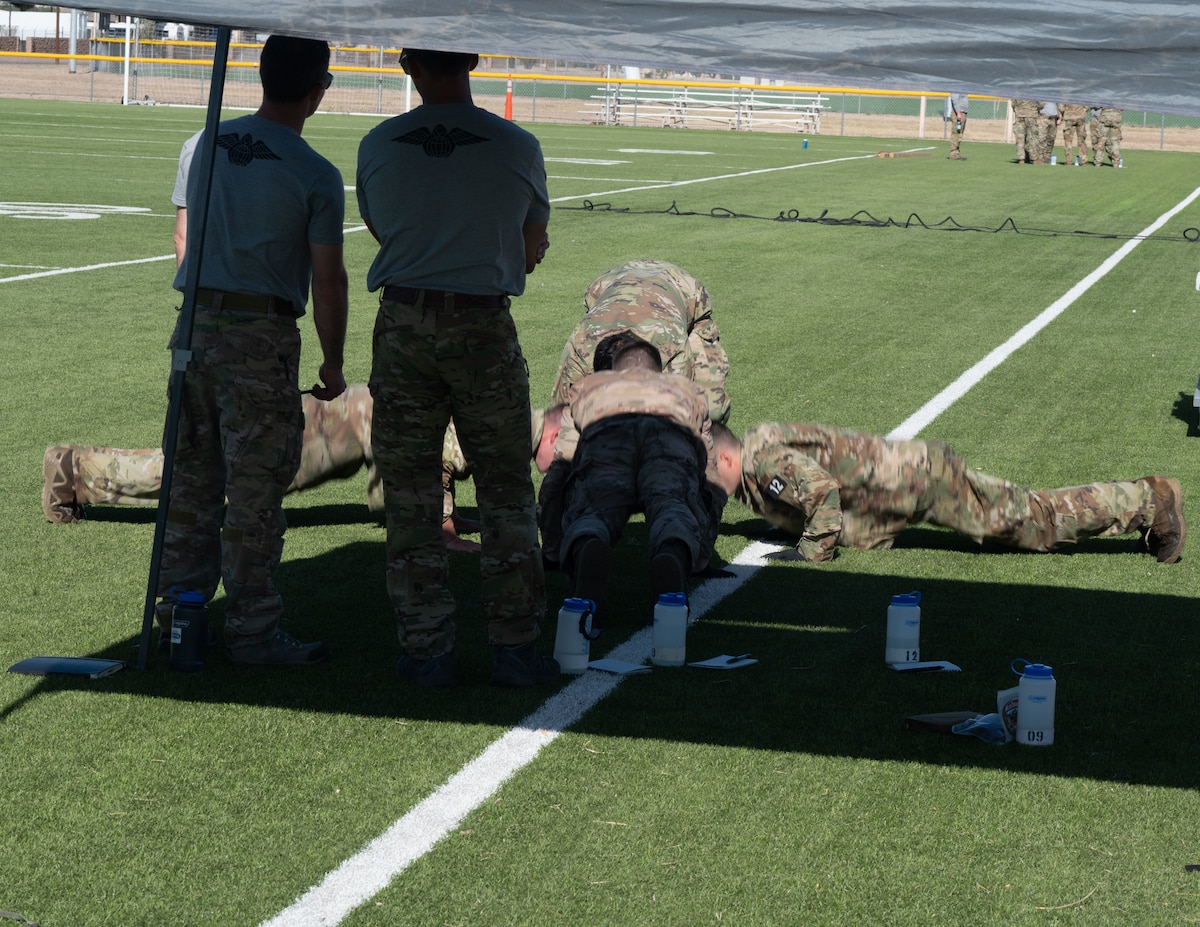
Combat Rescue Officer candidates participate in a Phase II training exercise and do pushups at Davis-Monthan Air Force Base, Ariz., Oct. 16, 2023. Physical training was a consistent part of CRO Phase training. (U.S. Air Force photo by Airman 1st Class Robert Allen Cooke III)

231016-F-VP642-1066

Combat Rescue Officer candidates participate in a Phase II training exercise and do pushups at Davis-Monthan Air Force Base, Ariz., Oct. 16, 2023. Physical training was a consistent part of CRO Phase training. (U.S. Air Force photo by Airman 1st Class Robert Allen Cooke III)

Photo Details / Download Hi-Res

“We put the candidates through rigorous physical training throughout the week,” Smith said. “We’re also looking for mental toughness and the ability to stay calm in pressured situations.”

Candidates' leadership capabilities were tested during leadership reaction courses. Through these events, the cadre assessed their problem solving capabilities, moral courage, and ability to make difficult decisions.

“We have ethical dilemmas where they explain their thought process for difficult, ethical problems,” Smith said. “We have interviews to get towards their poise, how well they carry themselves, and how well they can answer difficult questions.”

At the end of Phase II, performance data is used to determine which cadets are eligible to move forward in the training process with no set number of cadets that had to be selected or denied.

“I think it’s important that we are not tied to set quotas,” Smith said. “What we care about is performance and likelihood of being successful in combat situations, and we’re laser focused on selecting candidates with attributes that lead us to that end.”

Cadets who passed the CRO Phase II training program worked toward a commission in the U.S. Air Force and began processing into a two-to-three year training pipeline. Qualified participants were set to continue training in the Special Warfare Training Wing at Lackland Air Force Base, Texas.

cro phase 2 cro phase II ACC Air Combat Command Davis-Monthan Davis-Monthan AFB CRO combat rescuse officer air force cro air force combat rescue officer
Department of the Air Force Logo